Plantation
Cultivating Quality for a Greener Tomorrow
Who Are We
Why Lakbima Plantation?
Lakbima Plantation (Pvt) Ltd is a leading agricultural enterprise dedicated to the cultivation and distribution of premium crops such as Agrawood, Tea, Cinnamon, and a variety of short-term fruits and vegetables. Over the past five years, the company has established itself as a trusted name in the plantation sector, managing extensive estates across the country.
We combine traditional agricultural knowledge with modern technology to ensure high productivity, excellent crop quality, and responsible environmental management. From soil conservation to ethical labor practices, every aspect of our operations reflects our commitment to sustainability and transparency.
Driven by a passionate workforce and professional management, we believe plantations are more than commercial ventures, they are ecosystems that sustain communities and the environment. Through continuous innovation and eco-friendly practices, Lakbima Plantation strives to create long-term value, support rural livelihoods, and contribute to national economic development.
Agarwood Plantation
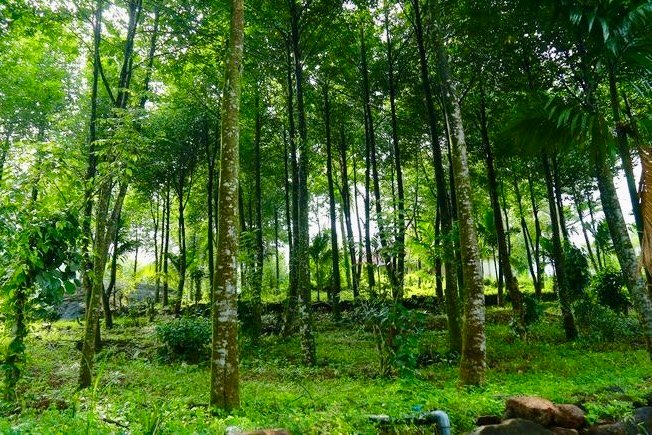
Agarwood, often referred to as “liquid gold,” is a highly valuable resinous heartwood formed in Aquilaria trees, prized for its use in perfumes, incense, and traditional medicine. Its production occurs as a defense mechanism against specific molds when the tree is wounded, resulting in a fragrant resin that becomes highly sought after. Historically significant in cultures across Southeast Asia, the Middle East, and South Asia, agarwood is associated with spirituality and luxury. Modern applications include high-end perfumes and medicinal uses in traditional practices like Ayurveda and TCM, enhancing its economic value. Countries like Sri Lanka, with favorable conditions for growing Aquilaria trees, are positioned to capitalise on the expanding agarwood market, potentially providing significant economic benefits through sustainable cultivation of this lucrative crop.
Cinnamon Plantation
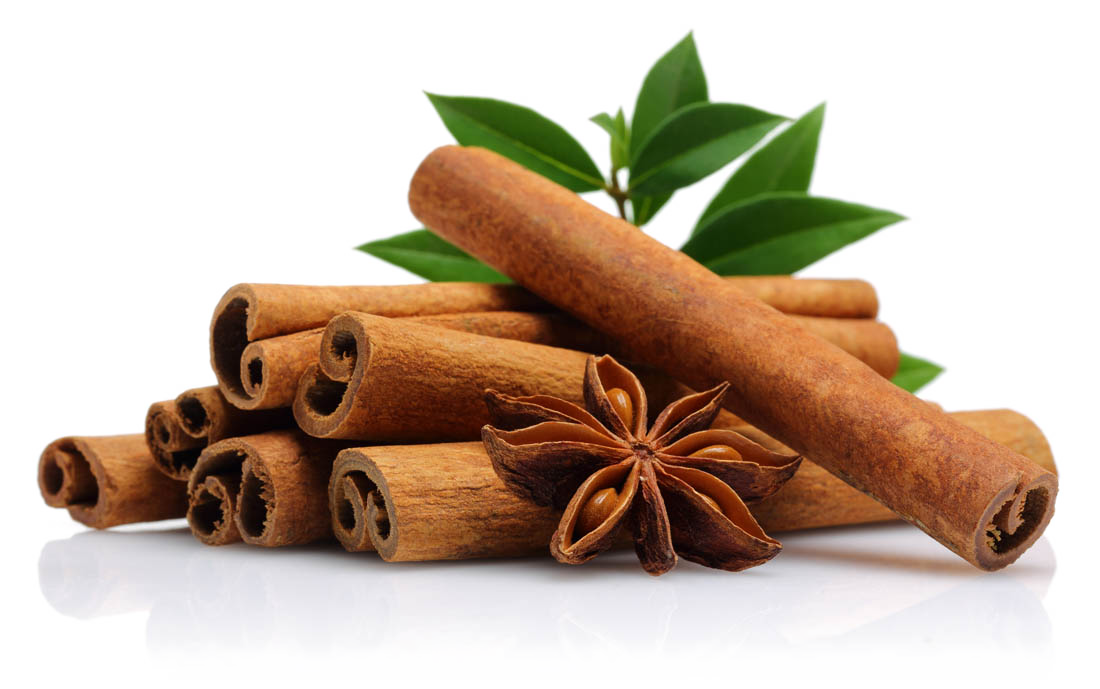
Cinnamon, often known as “Ceylon Cinnamon,” is one of Sri Lanka’s most prized agricultural products, valued globally for its rich aroma, delicate flavour, and medicinal properties. Cultivated from the inner bark of the cinnamon tree, it has been used for centuries in culinary, wellness, and traditional medicine applications. With strong global demand and premium market positioning, cinnamon cultivation offers significant economic potential, especially when managed through sustainable and high-quality farming practices.
Rambutan Plantation
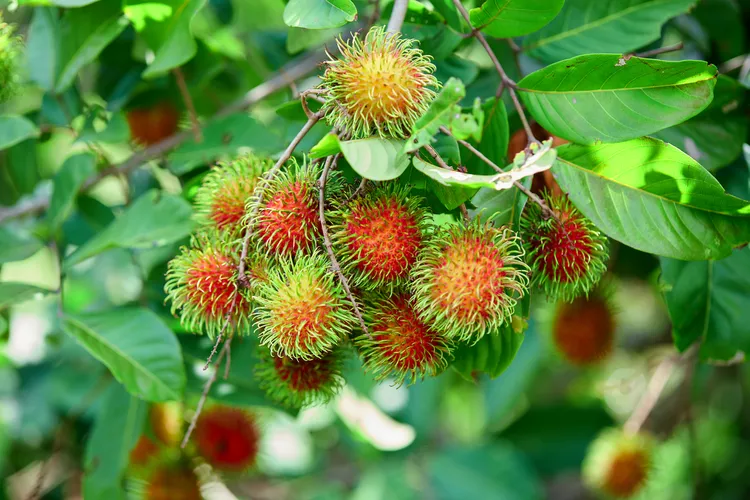
Our rambutan plantations are cultivated in ideal tropical conditions to produce high-quality fruits known for their vibrant appearance, sweet flavour, and nutritional value. By combining proper land management, controlled irrigation, and modern farming techniques, we ensure consistent yields and healthy crop development throughout each season. Rambutan is a high-demand fruit in both local and export markets, making it a valuable addition to sustainable agricultural operations. Through careful cultivation and quality-focused practices, our plantations deliver fresh, premium-grade produce while supporting long-term agricultural growth and market opportunities.
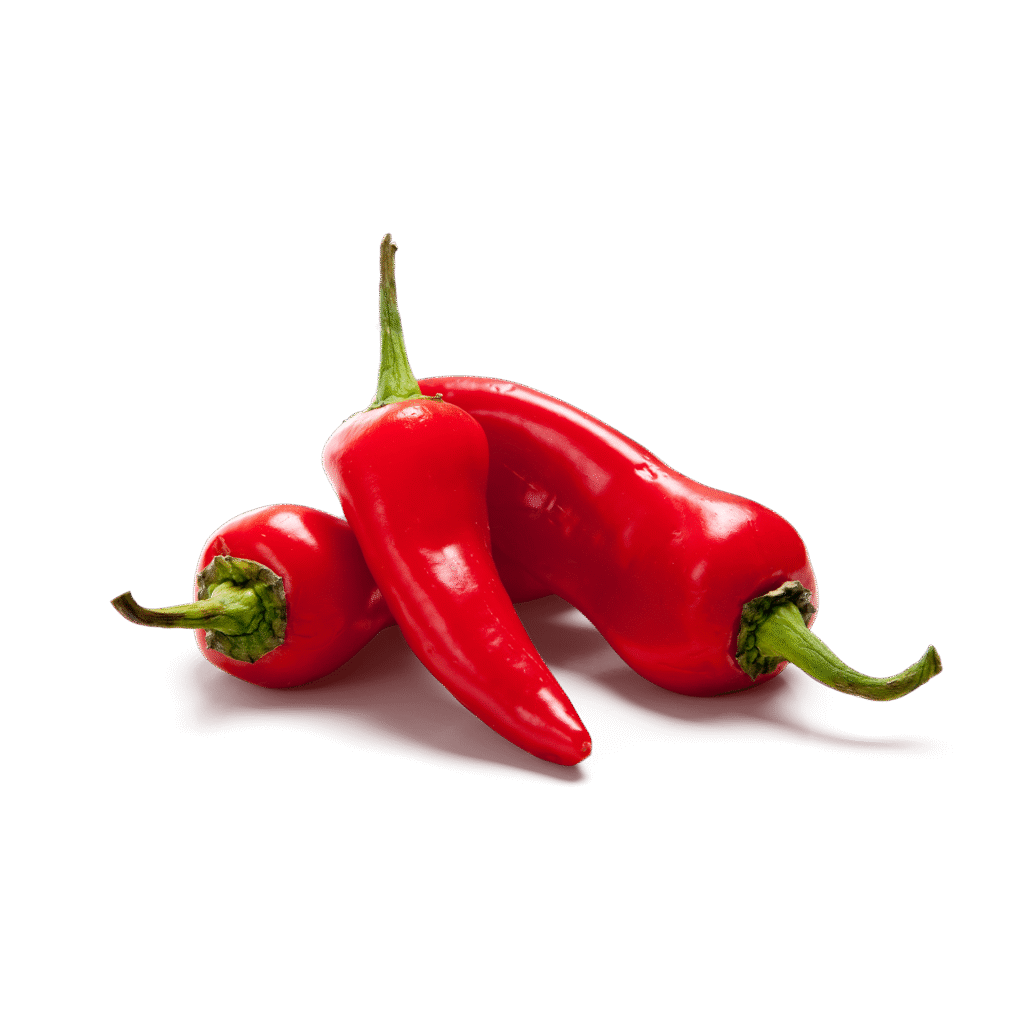
Snake Chilly Plantation
Our snake chilli plantations focus on cultivating premium-grade chillies known for their intense heat, vibrant colour, and strong market demand. Through controlled irrigation, careful crop management, and selective harvesting, we maintain high quality and productivity across each growing cycle. Snake chilli plays a vital role in Sri Lanka’s spice sector, and our plantations are positioned to supply both domestic markets and international buyers seeking authentic, high-quality chilli products.
Passion Fruit Plantation
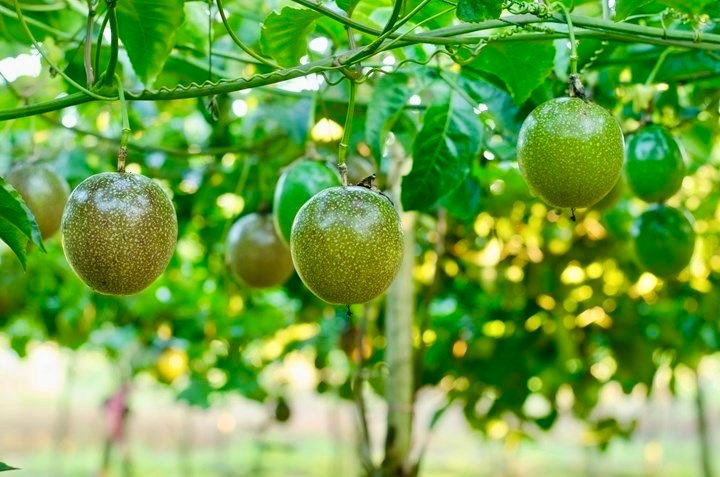
Our passion fruit plantations are developed to produce fresh, flavour-rich fruits that meet high commercial and nutritional standards. Using modern cultivation techniques and sustainable agricultural methods, we focus on vine health, fruit quality, and consistent harvesting cycles. Passion fruit from Lakbima Plantation serves growing demand in the beverage, food processing, and export sectors, offering a reliable and profitable crop while supporting environmentally responsible farming.
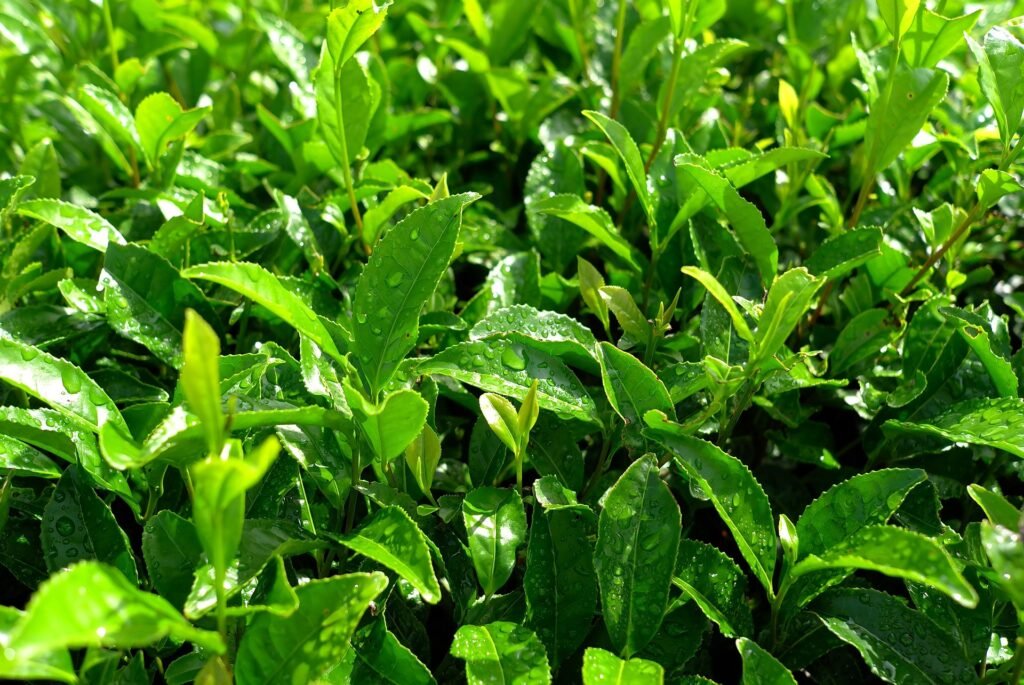
Tea Plantation
Our tea plantations are cultivated in carefully selected regions with ideal climate and soil conditions to produce high-quality tea leaves with rich flavour and aroma. By combining traditional tea-growing expertise with modern agricultural practices, we ensure consistent quality from planting to harvesting. Sustainable land management, responsible plucking methods, and strict quality control allow us to deliver premium tea that meets both local and international standards. Our focus remains on long-term productivity, environmental responsibility, and preserving Sri Lanka’s legacy as a world-renowned tea producer.
Short Term Vegetables Plantation
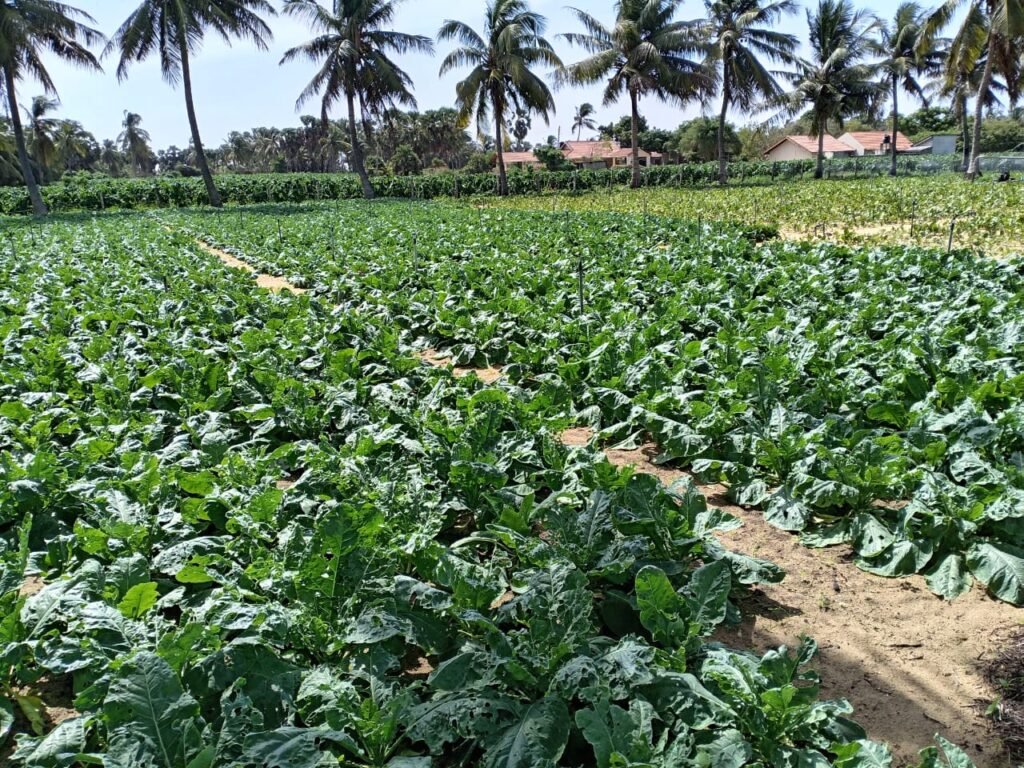
Our short-term vegetable plantations focus on fast-growing, high-demand crops cultivated through efficient and sustainable farming methods. By using optimized irrigation systems, crop rotation techniques, and modern pest management practices, we ensure consistent yields and fresh, high-quality produce. These plantations are strategically managed to support rapid harvest cycles, stable supply chains, and market responsiveness, contributing to food security while delivering reliable returns through responsible agricultural practices.
Salt Project
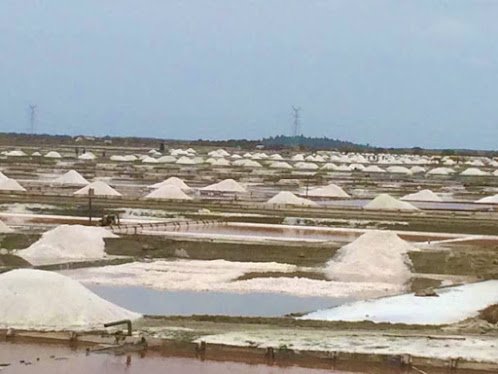
Lakbima Group’s salt projects are developed with a strong focus on quality, consistency, and sustainable production. Leveraging Sri Lanka’s favorable coastal and climatic conditions, our salt operations follow controlled evaporation and harvesting processes to produce high-purity salt suitable for both industrial and consumer markets.
Our approach combines traditional salt harvesting knowledge with modern quality control standards to ensure cleanliness, mineral balance, and reliability in every batch. From site selection and brine management to processing and storage, each stage is carefully monitored to meet local and international requirements.